
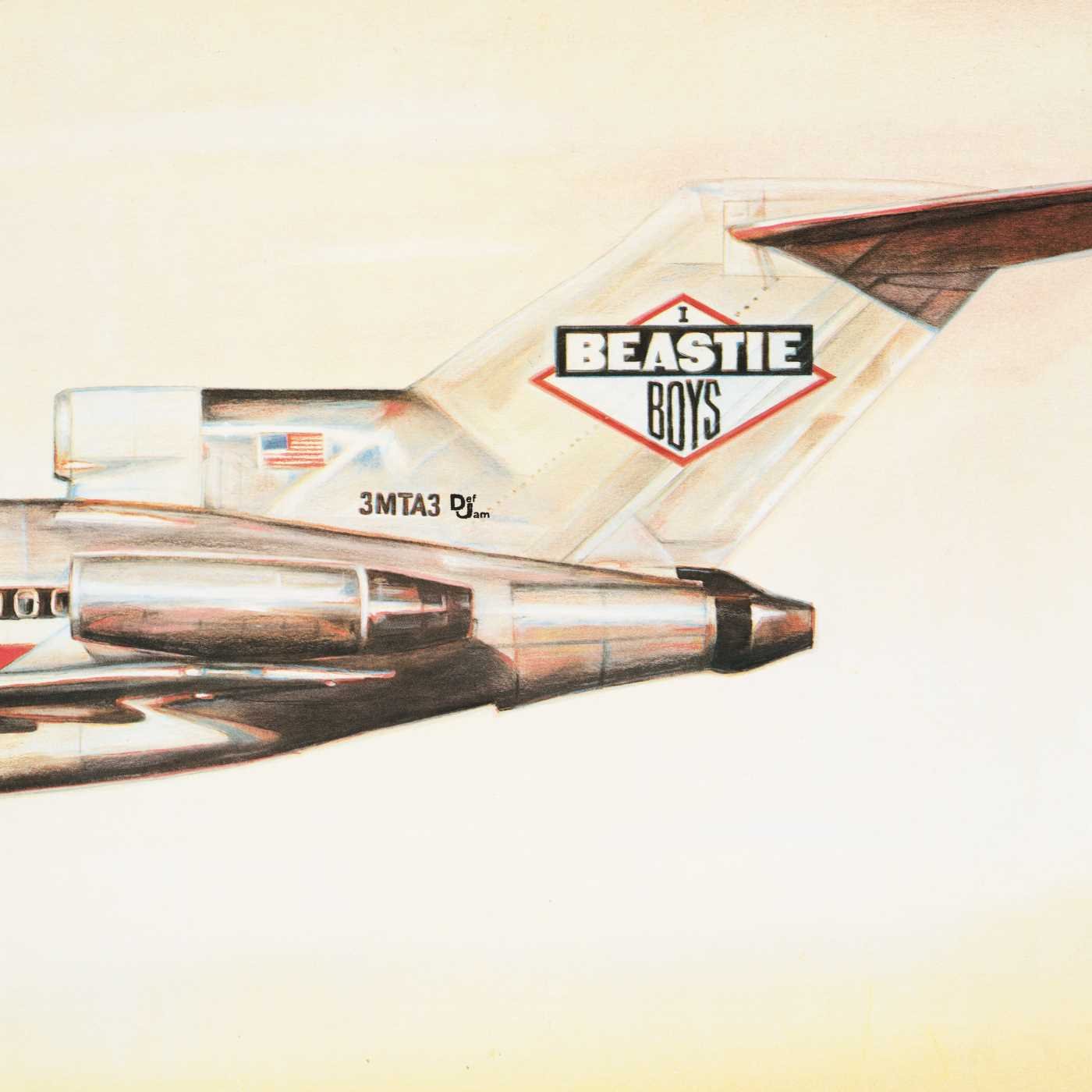
Beastie Boys | Licensed to Ill (1986)


They were told they’d never last — then Licensed To Ill became the most fun album in rap history


It's 1986. Hip-hop is still largely a New York street movement. Rock and rap don't mix. And three Jewish kids from Manhattan's upper crust — with absolutely zero business being in this genre — are about to release the first rap album to ever top the Billboard 200.

Nobody saw it coming. Least of all the critics who called them a joke.

In 1984, the Beastie Boys abandoned their punk origins to become one of the world's first white rap groups. Mike D, MCA, and King Ad-Rock came from wealthy, Jewish backgrounds in New York — which made them an easy target from the moment they stepped into hip-hop.

The hip-hop community accused them of cultural piracy. Critics dismissed them as puerile purveyors of obnoxious party music. Rolling Stone ignored them. Radio programmers hesitated.

None of it mattered. Licensed To Ill sold 750,000 copies in its first six weeks alone.

Rick Rubin and the sound of chaos
The secret weapon was producer Rick Rubin — already a hitmaker through his work with Run-DMC and LL Cool J — who understood something nobody else did: the Beasties weren't a rap act trying to be rock, or a rock act trying to be rap. They were something genuinely new.

Rubin's production laid thunderous drum breaks beneath heavy guitar riffs, creating a sonic brew that suburban teenagers could blast from their bedrooms while their parents knocked on the door to turn it down. The DIY, postmodern referencing, the gonzo humor — it was intoxicating precisely because it wasn't trying to be taken seriously.

And yet it absolutely should be.

The songs that defined a generation
Fight For Your Right became an anthem so ubiquitous that the Beasties themselves reportedly grew to hate it — a party song that perfectly captured the crossover moment between rock and hip-hop that the album embodied.

No Sleep Till Brooklyn was Motörhead-inspired fury. Brass Monkey was funky and loose. Rhymin and Stealin famously sampled Led Zeppelin's When The Levee Breaks to thunderous effect. And Posse In Effect was a love letter to B-Boy culture — tongue-in-cheek, referential, and completely self-aware.

The genius of Licensed To Ill is that it works on every level simultaneously: as a party record, as a cultural document, and as a genuinely inventive piece of music-making.

The controversy and the legacy
The album's sleeve — a gonzo illustration of a plane crash with "3MTA3" on the tail (read it in a mirror) — set the tone for everything that followed. This was a band that was in on the joke, and expected you to be too.

What made Licensed To Ill remarkable wasn't just the music. It was the moment. Three early-20s kids, dismissed as frauds, managed to top the US charts with a debut rap album in an era when that was considered impossible. MCA would later say, "I'm having so much fun now" — and you can hear that joy in every track.

Adolescence never sounded so much fun. Nearly 40 years later, it still doesn't.

Leave a Reply

Your email address will not be published. Required fields are marked *